Small and boutique bike brands usually source custom CNC parts by sending a machine shop a complete brief — drawing, material, finish, color reference, marking and packing — ordering a few prototypes, approving one golden sample, and then ordering batches against that sample. The parts themselves are rarely the hard part; consistency between batches and clear communication are.
Taiwan is a common place to look for a bike parts supplier because its machining industry grew up serving export customers in bicycles, so export drawings, anodized aluminum parts and small batches are familiar work. This guide is about the buying process rather than one component. For machining details of specific parts, see our guides on bicycle hub machining, e-bike parts, freehub bodies and hub axles.
What small brands typically have machined
Boutique brands tend to machine the parts that carry their identity or that the big component makers do not offer in the size, color or standard they want:
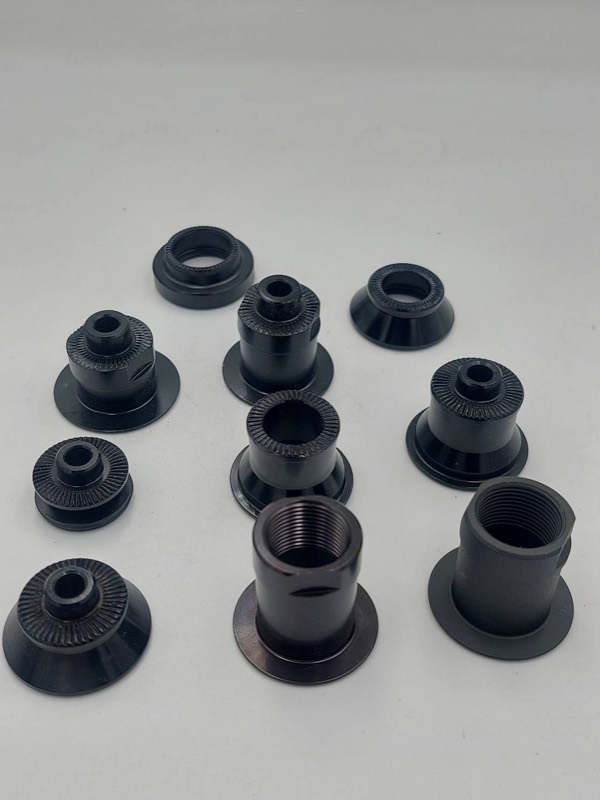
- Hubs and hub internals — shells, axles, end caps, freehub bodies (see the hub and freehub guides)
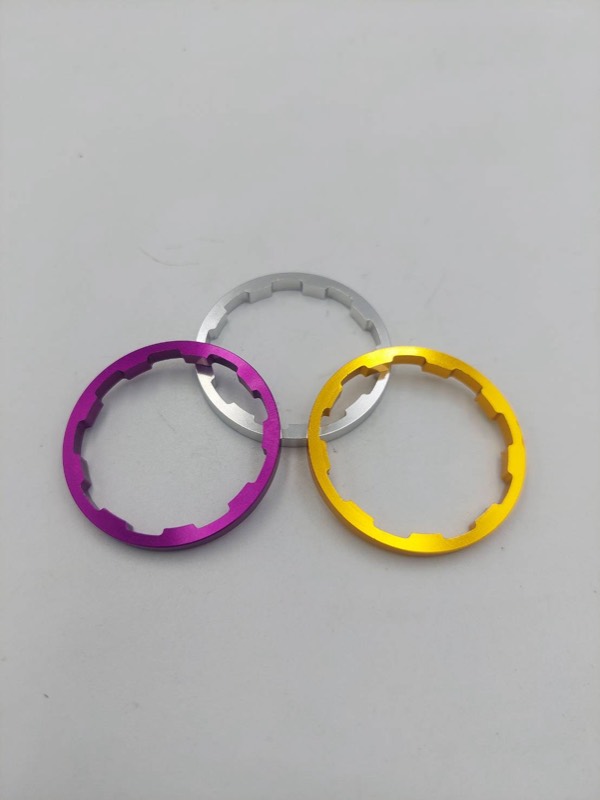
- Lock rings, preload adjusters, top caps and other small anodized parts that show the brand color
- Stems, spacers, headset parts and seatpost clamps
- Derailleur hangers, chainring spiders and frame fittings such as dropouts and cable guides
- E-bike mounts and housings (see the e-bike guide)
From prototype to batch: a realistic sequence
- Stage 1 — Fit prototypes: a few parts, often unfinished or clear anodized, to check function and assembly with real bearings, frames and tools.
- Stage 2 — Finished prototypes: the full finish, color and laser marking, used for photos, test riders and any lab testing you commission.
- Stage 3 — Golden sample: one approved part (or a set) kept by both sides as the reference for dimensions, color and marking.
- Stage 4 — Pilot batch: a small production quantity to confirm the process repeats before you commit to larger stock.
- Stage 5 — Repeat batches: ordered against the golden sample and the same drawing revision.
- Change control: every change after Stage 3 gets a new drawing revision. Most batch-to-batch problems trace back to an informal change.
Matching anodize colors across batches
Color consistency is the most common complaint about small-batch anodized bike parts. The dye color depends on alloy and temper, the surface finish before anodizing, coating thickness, dye concentration and bath temperature. Two batches anodized weeks apart will drift unless the inputs are held constant.
- Use one alloy for all parts that sit next to each other on a bike; 6061 and 7075 take the same dye differently.
- Specify the pre-anodize finish — bead blasted, brushed or machined — because it changes the perceived color as much as the dye does.
- Provide a physical color reference (an approved part), not only a Pantone or RAL number; dyed anodizing cannot match printed color systems exactly.
- Agree an acceptance method: comparison to the golden sample under a defined light, with a tolerance both sides accept.
- Order matching parts in the same anodizing batch where you can, and keep a few spares from each batch for warranty replacements.
Logos and laser marking
Laser marking on anodized aluminum removes or bleaches the dye and leaves a light, crisp mark — the usual way to add logos, model names, torque values and batch codes. Send the artwork as vector files (AI, PDF, DXF or SVG), give the mark size and position on the drawing, and say whether text must be readable after installation. Engraved or milled logos are deeper and more expensive; they make sense on large flat faces where the logo is part of the design.
A batch or date code on every part is cheap insurance: if a warranty problem appears, you can tell which batch it came from.
Packaging and labeling
Decide early whether parts arrive in bulk for your own assembly or individually packed for retail. Anodized parts scratch each other in bulk bags, so cosmetic parts usually need separators, individual bags or trays. If retail packaging is needed, supply the box or bag design, barcode and label content, and the number of units per carton.
How to brief a machine shop
A good brief fits on one page plus drawings. It lets the shop quote accurately and flag risks before cutting metal:
- STEP model and 2D drawing with critical dimensions, tolerances and thread callouts
- Material grade and temper (for example 6061-T6 or 7075-T6)
- Finish: pre-finish, anodize type and color, color reference and masked surfaces
- Marking: artwork, position, size, batch code format
- Quantities: prototypes, pilot batch, expected yearly volume and batch size
- Packing: bulk or retail, labels, carton requirements and destination for shipping
- Which bought-in parts (bearings, seals, pawls) you supply and which the shop sources
What drives the cost of small-batch bike parts
Without quoting numbers, the levers are predictable: setup and programming time spread over few parts, the number of setups per part, tight tolerances on non-critical features, deep pockets and thin walls in 3D-shaped parts, the number of different anodize colors per order (each color is a separate run), laser marking on several faces, and individual cosmetic packing. Fewer colors, a general tolerance with only real fits called out, and larger repeat batches lower the unit cost the most.
Custom bike parts at Chi Xin
Chi Xin Technology is a CNC machine shop in Nantun District, Taichung, Taiwan, founded in 2022. We run 5+ CNC machines — 4.5-axis CNC machining centers and CNC lathes — and mainly machine aluminum alloys and alloy steel, with a metal tolerance of 0.02 mm. We also offer wire EDM and surface finishing including anodizing, and we export to customers in Europe and North America.
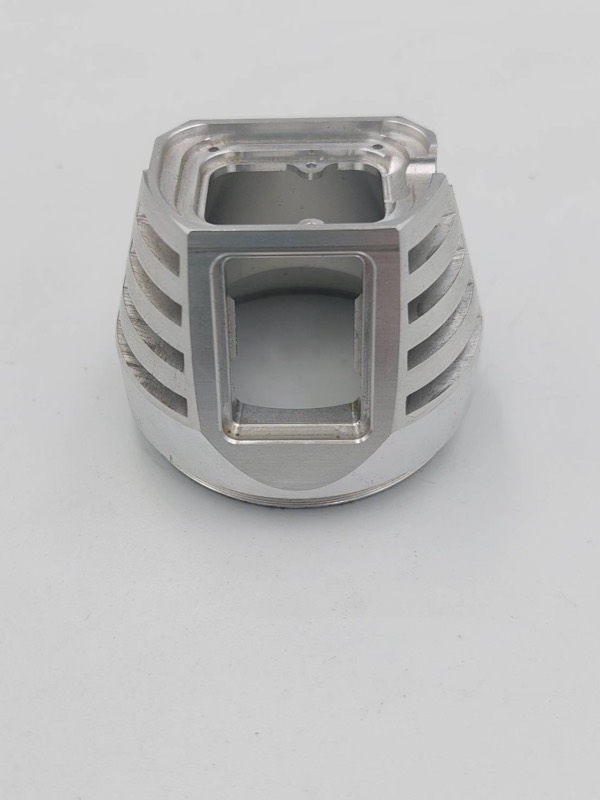
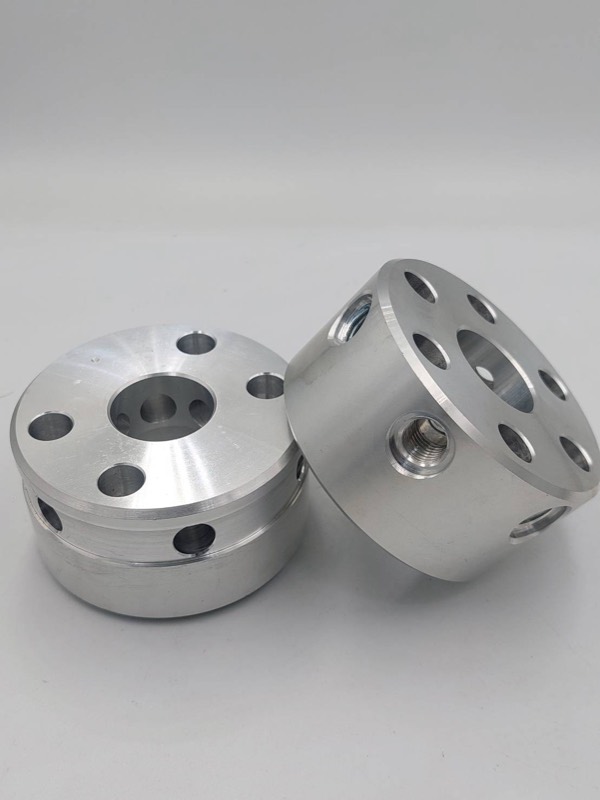
Small-brand bike parts — hub components, lock rings and end caps in anodized aluminum — run from prototypes to production on our CNC lathes and 4.5-axis machining centers, with anodizing arranged as part of the order.
Frequently asked questions
What minimum order quantity should a small brand expect?
CNC machining has no tooling cost, so prototypes of a few pieces are normal. The unit price falls as setup time is spread over more parts; ask for quotes at two or three quantities to see where it levels out.
Can you match the anodize color of our existing parts?
Send a physical sample of the color, the alloy and the surface finish. We confirm in the quotation how closely it can be matched and how we will check it.
How do we protect our design?
Put your ownership and confidentiality terms in the RFQ. Signing a non-disclosure agreement before sharing full drawings is common practice between brands and machine shops.
Do you supply retail packaging?
Tell us the packaging and labeling you need in the RFQ and we confirm in the quotation what we can provide.
How many prototypes should we order?
Enough for fit tests plus test riders and spares — often a handful per part. Order finished prototypes only after the unfinished fit samples pass.