The most effective protection when you send drawings to an overseas machine shop is to limit what you send: give each supplier only the part files it needs to quote and make, mark them as confidential, sign a non-disclosure agreement before sharing anything sensitive, and keep the assembly, the software and the know-how in house. Contracts help, but sharing less helps more.
This guide covers the practical steps engineers and buyers use. It is not legal advice; for agreements that must hold up in court, especially across jurisdictions, have a lawyer familiar with the supplier’s country review them.
Know what actually needs protecting
A single bracket drawing is rarely valuable on its own. The value is usually in the complete product: the assembly, how parts work together, firmware, the customer list and the cost structure. Sort your files into three groups before you contact suppliers — public or low-risk parts, parts that reveal function, and parts that reveal the core invention — and handle each group differently.
NDA, NNN and what each covers
A standard NDA (non-disclosure agreement) stops the supplier from passing your information to others. When sourcing in mainland China, many advisers recommend an NNN agreement — non-disclosure, non-use and non-circumvention — because it also forbids the supplier from using your design to make products themselves and from going around you to your customers.
- Define what is confidential (drawings, models, specifications, prices, volumes) and for how long.
- Include non-use: the supplier may use your files only to quote and make your parts.
- Require return or deletion of files when the relationship ends.
- Choose governing law and a dispute venue where a judgment can actually be enforced against the supplier; a lawyer should advise on this.
- Have a version in the supplier’s language if it may ever need to be enforced locally.
- Get it signed by an authorized person of the legal entity you will order from, not just a sales contact.
Send only what is needed
Machining needs geometry, tolerances, material and finish — not your whole product.
- Export individual part files as STEP rather than sending native CAD with history, assemblies and design intent.
- Remove your customer names, project code names and internal part numbers that reveal the end product, if they are not needed.
- Do not send full assembly drawings, BOMs or wiring unless a fit check truly requires them; send mating dimensions instead.
- For RFQs to many suppliers, send drawings without the sensitive parts first and share those only with the shortlisted shop.
- Use a file-sharing link with access control and expiry rather than open email attachments when files are sensitive.
Split the assembly
Splitting critical parts among two or more suppliers, or keeping one key part with a domestic shop, means no single supplier holds the complete design. The trade-off is more coordination, more shipments and tolerance stack-ups between suppliers, so many companies split only the core functional parts and keep simple parts with one supplier for efficiency. Final assembly, testing and calibration in your own facility protect more know-how than any drawing note.
Mark your drawings
Markings do not stop a determined copier, but they make ownership clear and support any later claim.
- Add a confidentiality and ownership statement to the title block: “Confidential — property of [company]. Do not copy or disclose without written permission.”
- Include a copyright notice with the year.
- Use revision control so you can show which files were sent to whom and when.
- Keep a log of every file sent to every supplier.
Tooling, fixtures and programs
If you pay separately for fixtures, molds or special gauges, state in the purchase order who owns them, where they are stored and that they may be used only for your parts. Decide whether you can ask for them to be shipped to you if you move production. CNC programs and standard workholding are normally treated as the shop’s own process know-how unless agreed otherwise, so if you want them, say so before the order rather than after.
Patents, registered designs and trademarks are territorial: they protect you only in the countries where they are registered. Ask an IP lawyer whether registering in the supplier’s country or your sales markets is worth it for your product.
What to check in a supplier
- Is the supplier a real legal entity you can contract with? Check the registered company name and address.
- Will it sign or review your NDA before you send sensitive files?
- Does it sell its own branded products that compete with yours?
- Does it subcontract machining or finishing, and to whom? Your NDA should cover subcontractors.
- Does it show other customers’ confidential parts on its website or social media without permission? If so, it will show yours too.
Confidential drawings at Chi Xin
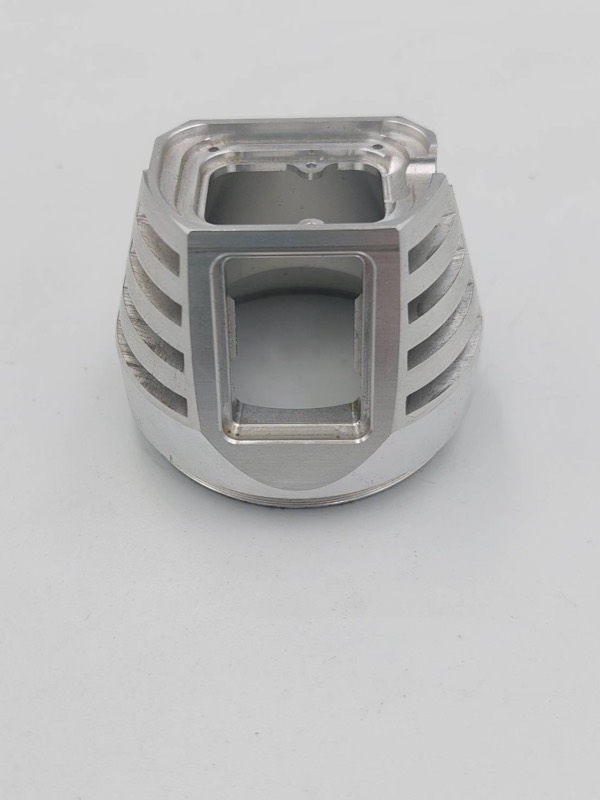
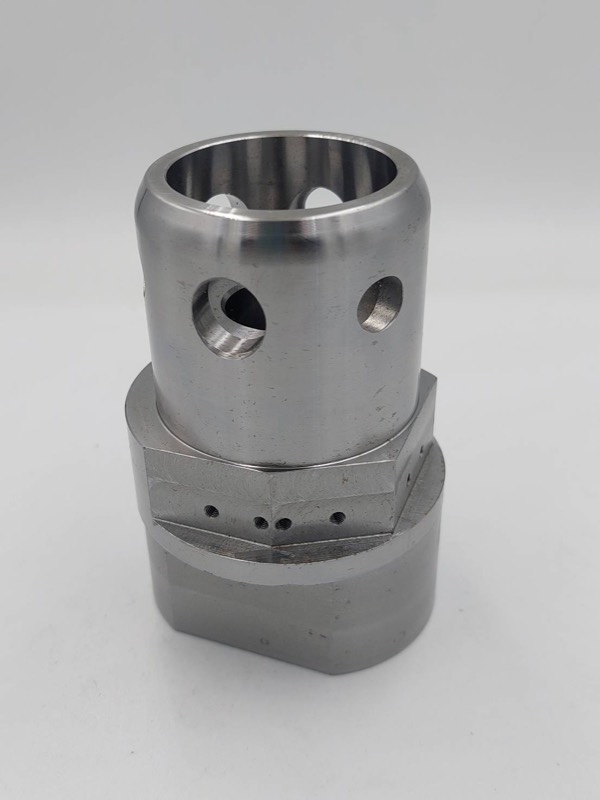
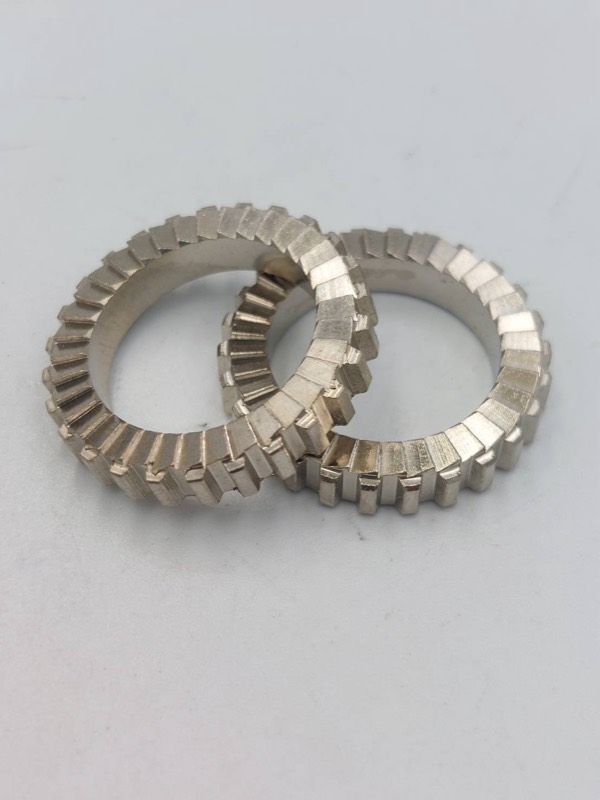
Chi Xin Technology is a CNC machine shop in Nantun District, Taichung, Taiwan, founded in 2022. We run 5+ CNC machines — 4.5-axis CNC machining centers and CNC lathes — and mainly machine aluminum alloys and alloy steel, with a metal tolerance of 0.02 mm. We also offer wire EDM and surface finishing including anodizing, and we export to customers in Europe and North America.
Send us your NDA with your files and we will review it; as a job shop machining customers’ own designs, we quote from the part drawings you choose to share.
Frequently asked questions
Is an NDA enough to protect my design overseas?
An NDA helps, but it is only as useful as your ability to enforce it in the supplier’s country. Combine it with limiting what you send, splitting critical parts and keeping assembly in house, and ask a lawyer about governing law and venue.
What is an NNN agreement?
An agreement covering non-disclosure, non-use and non-circumvention. It is widely recommended for manufacturing in mainland China because it also forbids using your design for the supplier’s own products and contacting your customers directly.
Should I send STEP or native CAD files?
STEP files of individual parts are enough for quoting and machining in almost all cases and reveal less than native CAD files with full assemblies and feature history.
Will you sign our NDA?
Send us your NDA with your files and we will review it.
Who owns the fixtures for my parts?
Whatever you agree in writing. If you pay for dedicated fixtures or gauges, state ownership and usage in the purchase order before production starts.