Many buyers who have sourced CNC parts from mainland China are now looking at other suppliers in Asia. Taiwan is often the first place they check: it has a deep machining industry, an export-oriented supply chain, and a separate customs territory.
This guide lays out the practical differences so you can decide whether a Taiwanese supplier fits your parts.
Tariffs and country of origin
Taiwan is a separate customs territory, and goods made in Taiwan carry Taiwan as their country of origin. The China-specific Section 301 tariffs imposed in 2018–2019 apply to Chinese-origin goods, not to Taiwan-origin goods.
US import duty as of October 2026: since 24 July 2026 a new Section 301 action sets a floor on most Taiwan-origin goods — if the normal (MFN) duty is below 10%, the combined duty is 10%; goods whose MFN duty is already 10% or more pay nothing extra. Chinese-origin goods under the same action face 10% to 12.5%, on top of the earlier China Section 301 tariffs that cover most industrial parts. The temporary 10% Section 122 surcharge that applied from February 2026 expired on 24 July 2026. Sources: USTR notice of 23 July 2026 and Focus Taiwan, 24 July 2026.
Section 232 duties on steel, aluminum and their derivative products are separate and can apply to machined metal parts from any country, depending on the HTS code. For some aluminum and steel parts this outweighs the difference between Taiwan and China, so ask your customs broker for the full duty on your HTS code before you compare quotes.
Country of origin is decided by where the part is substantially made, not where it ships from. A part machined in Taiwan from bar stock is a Taiwan-origin part.
Supply chain and industry depth
Central Taiwan, around Taichung, hosts a large cluster of machine tool builders, tooling suppliers, material stockists, heat treaters and finishing shops. For a machine shop this means short lead times on outside processes such as anodizing and heat treatment.
Taiwan’s machining industry grew up serving export customers in bicycles, automotive and motorcycle parts, machinery and electronics, so export packaging, documents and English-language drawings are routine.
Quality: is made in Taiwan better than made in China?
Not automatically. Part quality depends on the individual supplier — its machines, its inspection habits and how carefully it reads your drawing — far more than on the country. Both Taiwan and mainland China have excellent machine shops and weak ones, so a country label is no substitute for qualifying the shop that will make your part.
What buyers often do notice when they move small and medium batches to Taiwan is the working style: shops that are used to export drawings, direct contact with the people who program and run the machines, and questions about tolerances before cutting rather than after. Treat those as things to test with a first order, not as a promise.
- Judge quality by the parts, not the flag: order a prototype or first batch and measure the critical features yourself.
- Ask for a first article inspection of the critical dimensions before the production run.
- Put the tolerances, material grade, finish and inspection you need on the drawing and the purchase order, so every supplier quotes the same job.
- Compare how each shop answers technical questions during quoting — it is a good preview of how problems will be handled later.
Cost
For simple, high-volume parts, mainland China is often cheaper on unit price. For small and medium batches, parts with several critical features, or projects where engineering communication matters, the gap narrows. Compare landed cost — unit price, tooling, freight, duty and the cost of rejected parts — not unit price alone.
A simple illustration with made-up prices: a part quoted at US$10.00 from Taiwan and US$8.00 from China. With a 10% duty the Taiwan part lands at US$11.00 before freight. If the Chinese part sits on a 25% China Section 301 list and also pays 12.5% under the 2026 action, the duty is 37.5% and it lands at US$11.00 as well. Your real numbers depend on the HTS code, Section 232 status and freight, but this is why the cheaper unit price does not always win.
How to qualify a Taiwanese machine shop
Ask every supplier the same questions and compare the answers:
- Which machines they run and which part sizes and materials suit them
- What tolerance they routinely hold on your material
- Which processes they do in-house and which they send out (finishing, heat treatment)
- How they check critical dimensions before shipping
- Whether they can make a prototype or first batch before production
- Which countries they already ship to
Where Chi Xin fits
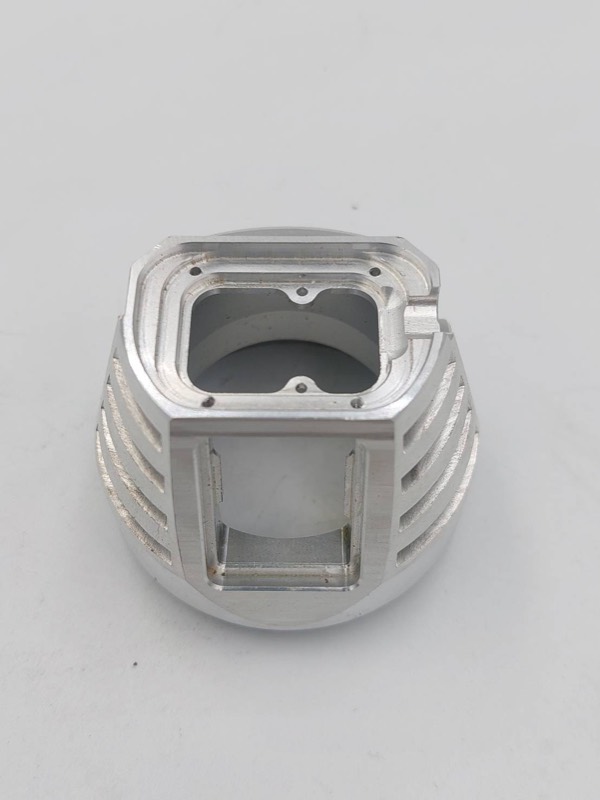
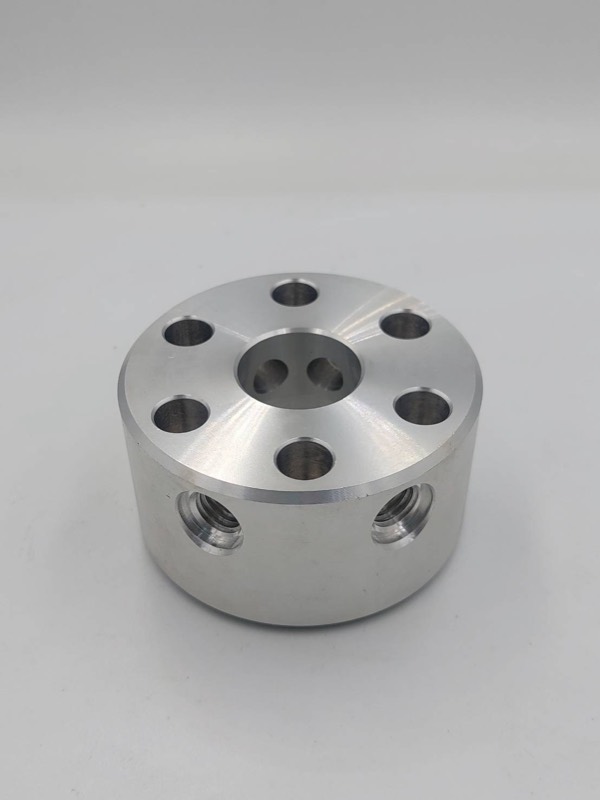
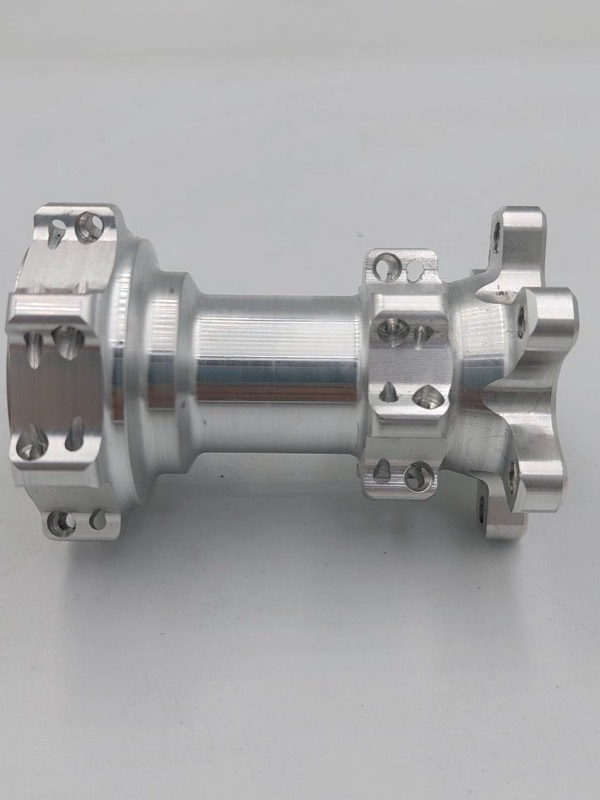
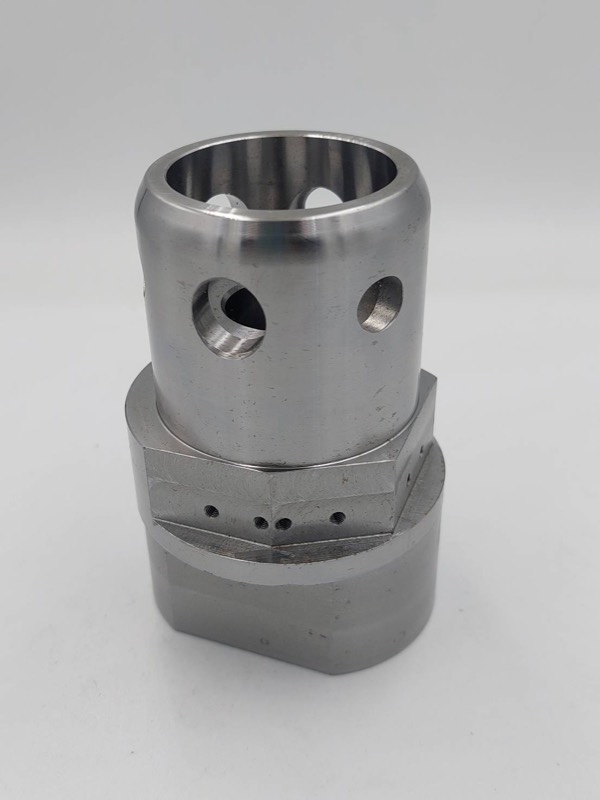
Chi Xin Technology is a CNC machine shop in Nantun District, Taichung, Taiwan, founded in 2022. We run 5+ CNC machines — 4.5-axis CNC machining centers and CNC lathes — and mainly machine aluminum alloys and alloy steel, with a metal tolerance of 0.02 mm. We also offer wire EDM and surface finishing including anodizing, and we export to customers in Europe and North America.
We machine aluminum and alloy steel parts — from prototypes to production runs — that need CNC turning, 4.5-axis milling, or both.
Frequently asked questions
Do Section 301 China tariffs apply to parts made in Taiwan?
The 2018–2019 China Section 301 tariffs cover Chinese-origin goods only. Since 24 July 2026 most Taiwan-origin goods pay a combined 10% under a separate Section 301 action, and Section 232 steel and aluminum duties can apply to metal parts from any country. Check the full duty for your HTS code with your customs broker.
What is the US import duty on CNC parts from Taiwan in 2026?
For most Taiwan-origin goods it is 10% in total since 24 July 2026 (the MFN rate topped up to 10%), unless the MFN rate is already higher. Steel and aluminum parts may also fall under Section 232 depending on the HTS code.
Is made in Taiwan better quality than made in China?
Not as a rule. Quality depends on the individual machine shop, not the country; both have strong and weak suppliers. Qualify a shop with a prototype or first article inspection of your critical dimensions before production.
Is Taiwan more expensive than China for CNC parts?
Unit prices are often higher on simple, high-volume parts. Compare landed cost — including duty, freight and quality costs — for your specific part.
Can I start with prototypes?
Yes. We machine prototypes as well as production runs.