Most anodized aluminum parts use one of two processes. Type II is the familiar decorative, colorable finish; Type III, or hard anodizing, builds a thicker, harder layer for wear. Choosing the wrong one costs money or leaves parts that wear out early.
This guide compares the two and shows how to call anodizing out on a drawing for CNC machined parts.
Side by side
- Typical thickness: Type II roughly 5–25 µm; Type III roughly 25–75 µm (both depend on spec and alloy).
- Dimensional change: about half of the coating grows outward and half penetrates the surface, so a part grows by roughly half the coating thickness per surface.
- Hardness and wear: Type III is much harder and resists abrasion; Type II is mainly for corrosion protection and appearance.
- Colors: Type II takes dyes well (black, red, blue, gold and more). Hard anodize is naturally grey to dark bronze and dark colors work best.
- Cost: Type III is usually more expensive because of longer process time and colder baths.
Alloy matters
6061 anodizes evenly and is the default choice. 7075 anodizes well but can look slightly different in color. Alloys high in copper or silicon (for example 2024 or cast alloys) give thinner, darker or blotchy coatings, especially with hard anodizing. If appearance matters, say so and keep all parts in one alloy and one batch.
Design for anodizing
- Allow for growth on fits, bores and threads — or machine those features to pre-anodize sizes.
- Mark faces, threads and holes that must stay bare (for electrical contact or tight fits) as masked.
- Sharp edges anodize thin; a small edge break gives a more durable coating.
- Decide whether dimensions on the drawing apply before or after anodizing, and write it down.
Sealing and why it matters
Fresh anodic coatings are porous. Sealing — usually in hot water, nickel acetate or a mid-temperature seal — closes the pores so the coating resists corrosion and the dye does not fade or bleed. Type II parts are almost always sealed. Hard anodized parts are often left unsealed when maximum wear resistance is the goal, because sealing slightly softens the surface; say which you need.
Color matching across batches
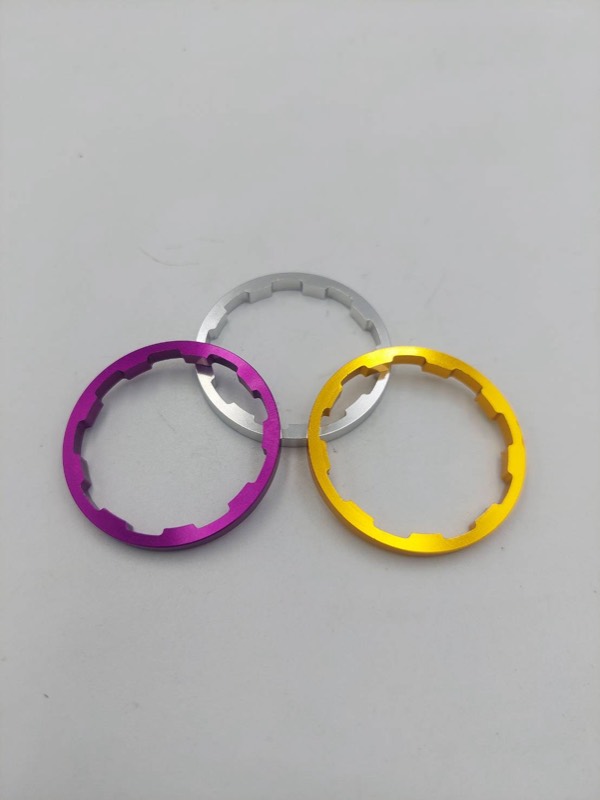
Dyed anodizing varies with alloy, temper, surface finish and the bath itself. For parts that sit next to each other on a product — a hub shell and its end caps, or a housing and its lid — the safest route is to machine them from the same alloy, finish them the same way and anodize them in the same batch. For repeat orders, keep an approved color sample and send it with the order so the new batch is compared against it.
- Bead blasting before anodizing gives a matte look and hides machining marks, but changes the color shade compared with a machined surface.
- Polished or brushed surfaces look brighter and show tool marks more.
- Black is the most forgiving color; reds, blues and golds show variation most.
Common anodizing problems
- Burnt or white spots: often caused by poor electrical contact or high current density — contact points need to be agreed on cosmetic parts.
- Streaks or blotches: alloy segregation, heat-affected areas or uneven surface finish before anodizing.
- Threads too tight after coating: the coating builds on the flanks; machine threads oversize or mask them.
- Rack marks: every part needs a contact point; mark on the drawing where a small bare spot is acceptable.
How to call it out
Many drawings use MIL-A-8625: Type II for sulfuric anodizing, Type III for hard anodizing, Class 1 for undyed and Class 2 for dyed. Add the color, thickness if it matters, sealing and masking, for example: “Anodize per MIL-A-8625 Type II Class 2, black, sealed. Mask threads.”
Anodized parts at Chi Xin
Chi Xin Technology is a CNC machine shop in Nantun District, Taichung, Taiwan, founded in 2022. We run 5+ CNC machines — 4.5-axis CNC machining centers and CNC lathes — and mainly machine aluminum alloys and alloy steel, with a metal tolerance of 0.02 mm. We also offer wire EDM and surface finishing including anodizing, and we export to customers in Europe and North America.
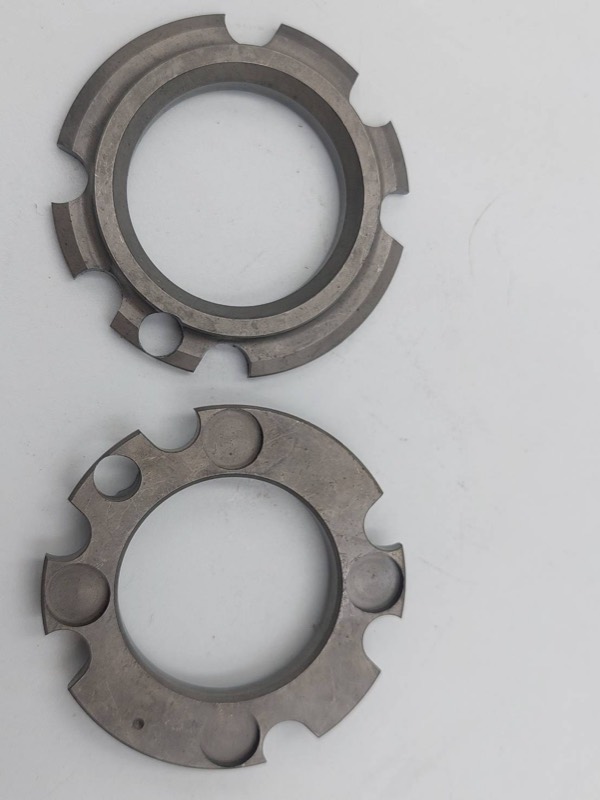
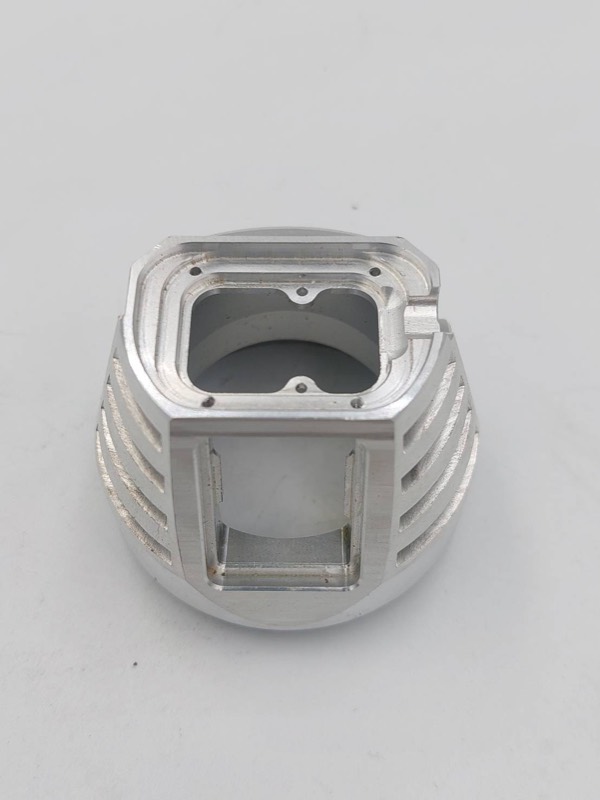
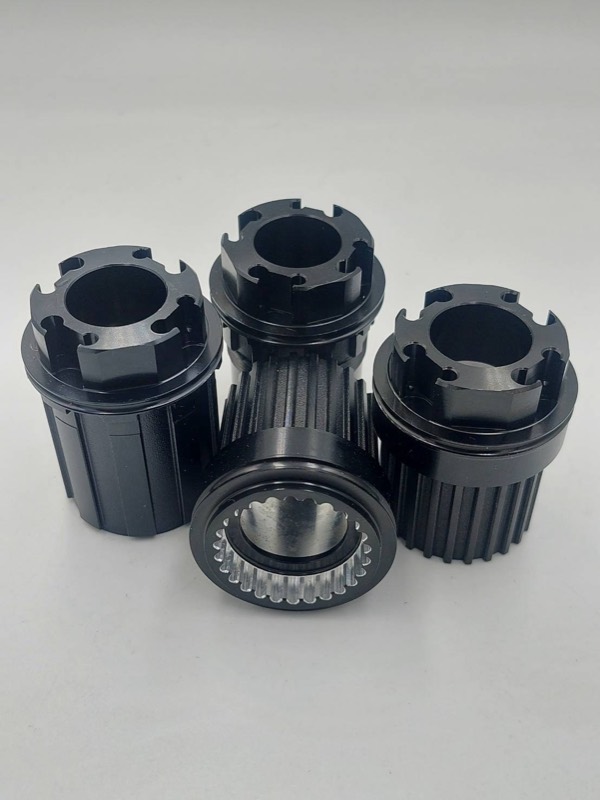
Anodizing is arranged as part of the order, so you receive finished parts. Tell us the type, color, thickness and masking you need and we confirm them in the quote. The anodized lock rings and hub parts on this page are examples of our work.
Frequently asked questions
How much does anodizing change part dimensions?
Roughly half the coating thickness builds up on each surface. A 20 µm Type II coat adds about 10 µm per surface; hard anodizing adds more.
Can hard anodizing be colored?
Only dark colors work reliably, mainly black. For bright colors use Type II.
Which aluminum alloy is best for anodizing?
6061 gives the most even result. 7075 works well with small color differences; 2024 and cast alloys are harder to anodize evenly.
Do you offer hard anodizing?
Tell us the anodizing type and specification you need in the RFQ and we confirm it in the quotation.
Why do anodized parts from two batches look different?
Dye uptake depends on alloy, temper, surface finish and bath condition. Same alloy, same surface finish, one batch and an approved color sample keep the difference small.