Machine shops use “4.5-axis” to describe a machine that can position a part at an angle but does not move all five axes at once while cutting. For many multi-face parts that is exactly what is needed, at lower cost than simultaneous 5-axis machining.
What 4.5-axis machining means
“4.5-axis” is shop-floor terminology rather than a formal standard. It usually describes a machine that adds rotary and tilting positioning to the three linear axes (X, Y, Z): the part is indexed to the required angle, then cut with the linear axes. This is similar to what is often called 3+2 or positional machining.
Simultaneous 5-axis machining
A simultaneous 5-axis machine moves all five axes together during the cut. It is needed for continuously curved surfaces such as impellers, turbine blades and complex molds.
Which parts suit 4.5-axis
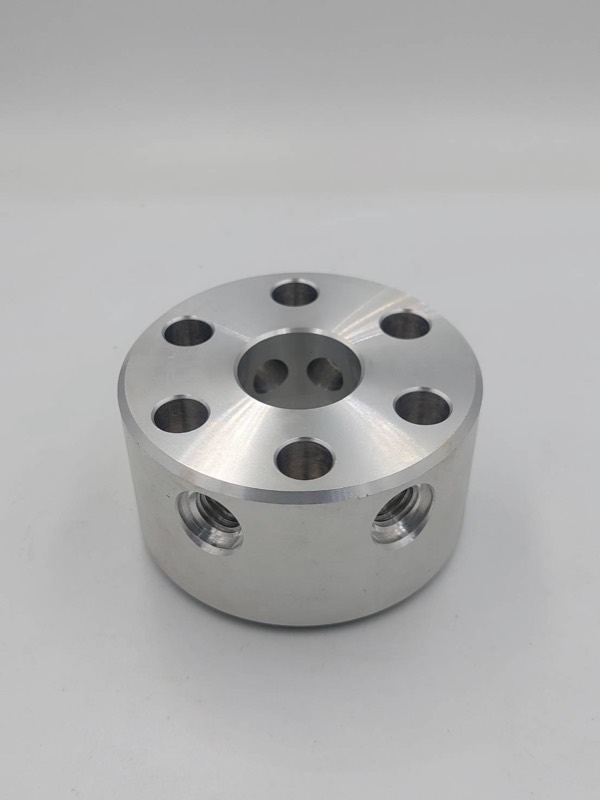
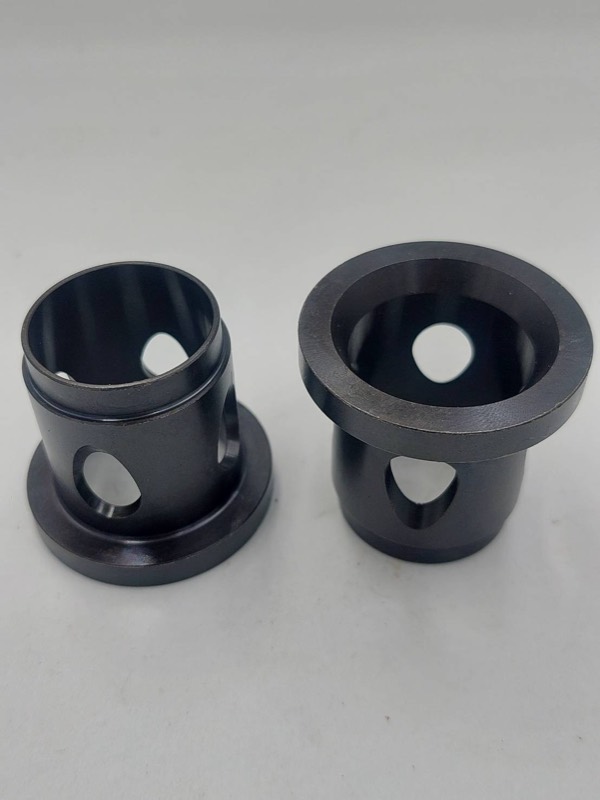
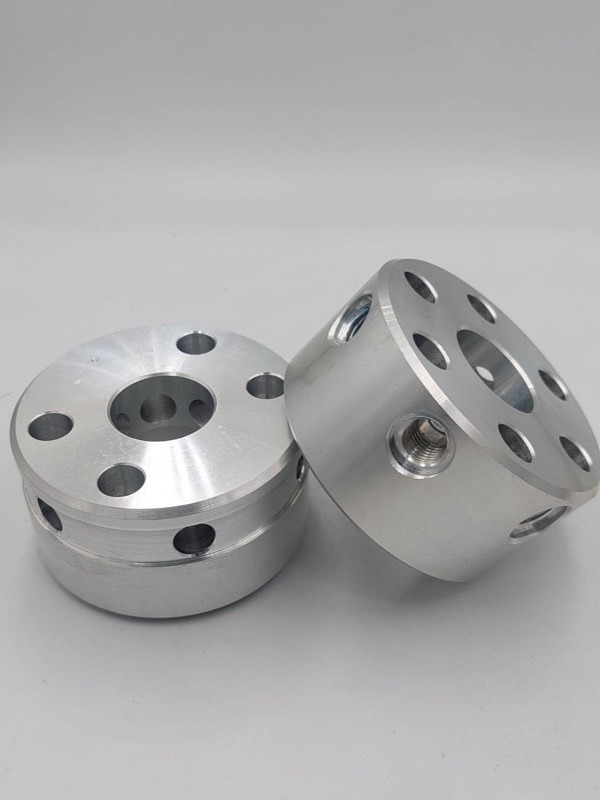
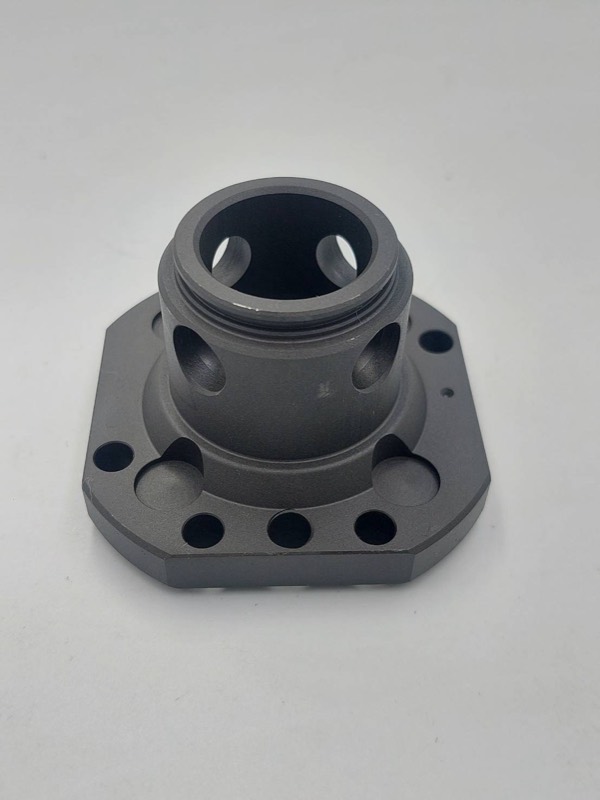
Parts with features on several faces or at compound angles, but without free-form surfaces, suit 4.5-axis machining:
- Housings and brackets with holes on several sides
- Hub shells with spoke holes around a flange
- Manifolds and blocks with angled ports
- Automation and fixture parts with features on several faces
Why fewer setups matter
Each time a part is re-clamped, a little alignment error is added. Machining several faces in one setup keeps features accurately positioned relative to each other and saves handling time.
Chi Xin Technology is a CNC machine shop in Nantun District, Taichung, Taiwan, founded in 2022. We run 5+ CNC machines — 4.5-axis CNC machining centers and CNC lathes — and mainly machine aluminum alloys and alloy steel, with a metal tolerance of 0.02 mm. We also offer wire EDM and surface finishing including anodizing, and we export to customers in Europe and North America.
Frequently asked questions
Is 4.5-axis the same as 3+2 machining?
They are closely related. Both describe indexing the part to an angle and then cutting with the three linear axes, rather than moving all axes at once during the cut.
When do I need simultaneous 5-axis?
When the part has continuously curved surfaces, such as impellers or turbine blades, that need the tool angle to change during the cut.